Gay and Queer Men’s Therapy
Specialized Men’s Counseling
While Freelife specializes in the care of all LGBTQ+ individuals and relationships, many of our staff have further specialization and lived experience working with gay, bi, and queer men. Research and experience shows us that social expectations of people raised as men can lead to challenges clearly identifying emotions, social challenges, and feeling like there are parts of us that need to be hidden from others. Gay/queer men also have relationships with their bodies and sexualities that are unique from that of other groups.

Men’s Relationships
Gay, bi, and queer men seek sex, love, and connection in ways that are unique to them. Identifying and working openly with these realities can lead to improved feelings of self worth, sexual fulfillment, and relationships that truly meet our needs. Doing this work with the support of a therapist that understands these dynamics professionally and from lived experience can be exceptionally important and helpful. Freelife therapists will help you better understand your needs, desires, and boundaries in relationships with other men and find greater fulfillment in your relationships.

What specific challenges do gay men face that a general therapist might not understand?
Gay, bi, and queer men often carry experiences that a general therapist may overlook or misunderstand. Research and experience show us that social expectations of people raised as men can lead to challenges clearly identifying emotions, social challenges, and feeling like there are parts of us that need to be hidden from others. For gay men, these pressures are often layered with rejection, shame, and minority stress that begin early in life.
Gay and queer men also have relationships with their bodies and sexualities that are unique from those of other groups. Body image pressures, the dynamics of gay dating culture, sexual health, and navigating intimacy in a world that has not always accepted us all shape how we see ourselves. Therapy for Gay Men at Freelife starts from an understanding of these realities, so you can spend your time working on what matters instead of explaining your world to your therapist.

Do you have therapists who specialize in issues like internalized homophobia, coming out later in life, or masculinity/identity conflict?
Yes. While Freelife specializes in the care of all LGBTQ+ individuals and relationships, many of our staff have further specialization and lived experience working with gay, bi, and queer men. This includes support with:
Coming out later in life
Coming out after years in a heterosexual marriage, a religious community, or a professional setting brings its own challenges. Your therapist can help you navigate grief, change, and new beginnings at your own pace.
Internalized homophobia
Many gay men absorb negative messages about who they are long before they have words for their identity. Therapy helps you recognize these messages and replace shame with self-acceptance.
Masculinity and identity conflict
Expectations about how men should act, feel, and love can clash with who you are. Therapy offers space to explore what masculinity means to you on your own terms.
Is this therapy confidential if I'm not out to family, friends, or coworkers?
Yes. Everything you share in therapy is confidential, and you never need to be out to anyone to begin working with a Freelife therapist. Many clients come to us while they are still deciding who to tell, or whether to tell anyone at all.
Your therapist will respect your privacy and your timeline. Therapy is a place to explore your identity, relationships, and feelings openly, without the pressure of anyone else's reactions. Telehealth options can also allow you to attend sessions from a private space that feels safe for you.
Can therapy help with dating, relationships, or intimacy issues specific to gay men?
Absolutely. Gay, bi, and queer men seek sex, love, and connection in ways that are unique to them. Identifying and working openly with these realities can lead to improved feelings of self worth, sexual fulfillment, and relationships that truly meet our needs.
If relationships feel harder than they "should," you are not broken. Many gay men navigate attachment wounds, rejection, and unrealistic expectations that make intimacy feel both deeply desired and deeply scary. You may also notice yourself repeating the same patterns in dating and sex. Freelife therapists will help you better understand your needs, desires, and boundaries in relationships with other men and find greater fulfillment in your connections.
Do you offer support for gay men dealing with anxiety, depression, or substance use alongside identity issues?
Yes. Anxiety, depression, and substance use are often connected to the stress of growing up and living as a gay man, even when identity is not the main reason you are seeking therapy. Minority stress, isolation, and pressure to hide parts of ourselves can all take a toll on mental health.
Your Freelife therapist will look at the whole picture, understanding how your identity and experiences may be shaping what you are going through while also focusing directly on the symptoms that are affecting your daily life. For some clients, identity is central to therapy. For others, it is simply important to have a therapist who understands them while they focus on other goals.
Are your therapists gay-affirming, or specifically experienced working with gay male clients?
Both. Every Freelife therapist provides fully affirming care, and many of our staff have specialized experience and lived experience working with gay, bi, and queer men. Doing this work with the support of a therapist who understands these dynamics professionally and personally can be exceptionally important and helpful.
If you are looking for a gay therapist in Chicago, Freelife can help match you with someone who fits your needs and preferences. You can also learn more about our broader LGBTQ counseling in Chicago.
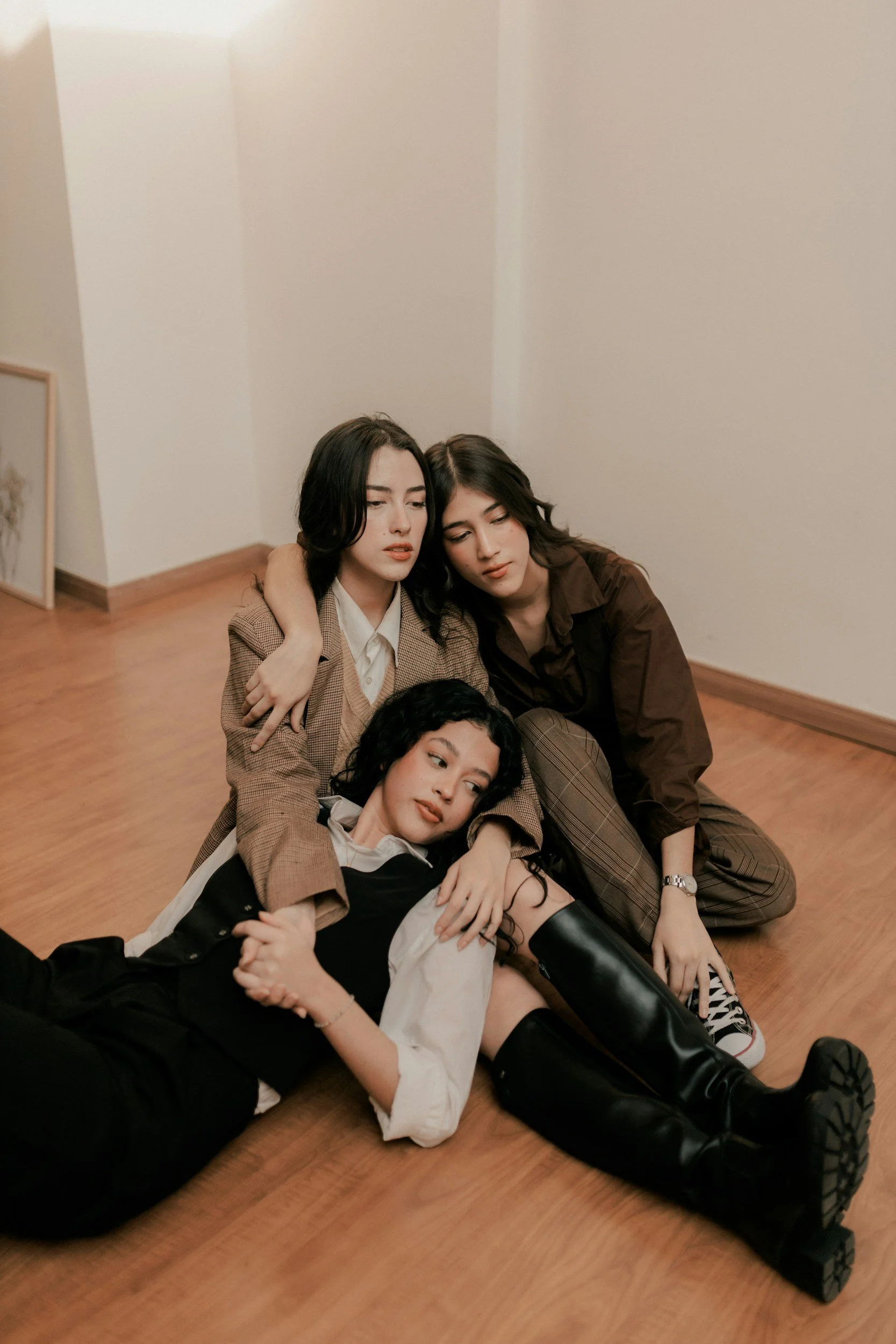
What's the difference between couples therapy and individual therapy for gay men in relationships?
Individual therapy focuses on you: your history, your patterns, your needs, and how you show up in relationships. It can be a great fit if you want to understand yourself better, work through past experiences, or make changes on your own terms, whether you are single, dating, or partnered.
Couples therapy brings both partners into the room to focus on the relationship itself. It can help with communication, trust, conflict, sexual connection, and navigating relationship structures together. Some gay men benefit from both, attending individual sessions while also working with their partner in LGBT couples counseling. Your therapist can help you decide which approach fits your goals.
Frequently Asked Questions
-
Freelife offers individual therapy for gay men as well as couples therapy. Contact our office to ask about any current group offerings and whether one might be a good fit for you.
-
Yes. Many of our therapists share lived experience as gay, bi, or queer men. Let us know your preference when you reach out, and we will do our best to match you.
-
Yes. Freelife therapists understand that people seek love and sex differently and work without judgment with clients in monogamous, open, and non-monogamous relationships.
-
The cost of Therapy for Gay Men depends on your insurance coverage and session type. Contact our office and we can walk you through your benefits and payment options.
Contact us.