
Kink Positive Therapy
Affirming Therapy in Illinois for Kink-Involved Individuals & Couples
Therapy where you’re seen, heard, understood, and supported.
Therapy for individuals and couples involved in or interested in kink and/or bdsm.
We help you navigate concerns that commonly show up in polyamorous, kink, or non-monogamous relationships, such as jealousy, consent, time management, communication, boundaries, relationship dynamics, and more.
We use general therapy modalities such as cognitive behavioral therapy (CBT), dialectical behavioral therapy (DBT), internal family systems (IFS), and more.
While most sessions are 45-60 minutes, each session is fully personalized to you and your concerns. This is your space.
We accept most major insurances.
We offer virtual sessions throughout Illinois.
To learn more, check out our FAQ page.
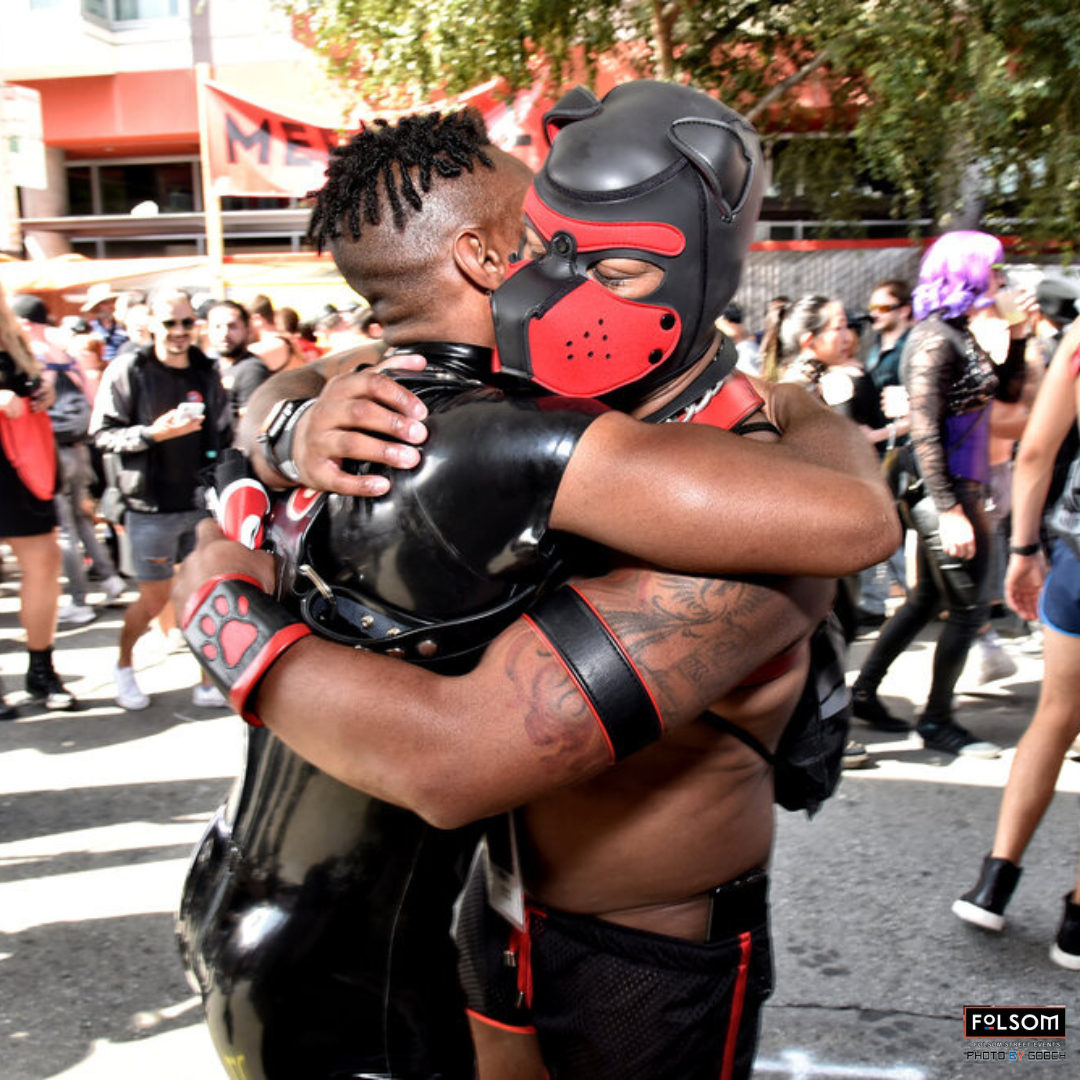
For some, kink can be all about exploring fantasies and behaviors that bring about excitement, enjoyment, and even healing. For others, it is an identity, a way of forming relationships, and finding community. Freelife therapists are trained and experienced in helping clients discuss the many roles kink can play in your mental health and happiness and the unique joys and challenges it can bring. Whether you are at the beginning of exploring kinky fantasy or desire or currently living a life where kink or BDSM plays a major role, we are here to support you in your mental health needs.
Communication
Difficulty expressing needs, desires, or boundaries within kink dynamics or with non-kinky partners.
Internalized Shame
Struggling with feelings of guilt or self-doubt due to societal stigma around their sexual or kink practices.
Identity Integration
Offering guidance on how to harmonize your kink identity with other life roles and relationships in a way that feels authentic.
Emotional Safety
Needing support to process complex dynamics, such as power exchange, that may bring up past trauma or intense emotions.
Consent & Trust
Navigating past experiences of violated boundaries or difficulty establishing trust in relationships.
What is Kink Positive Therapy?
Kink positive therapy is a therapeutic approach that affirms consensual kink, BDSM, and alternative relationship dynamics without pathologizing them. It recognizes that power exchange, role play, and non-traditional expressions of sexuality can be healthy, intentional, and meaningful. Instead of viewing kink as something to fix, kink positive therapy focuses on communication, consent, boundaries, and emotional wellbeing within those dynamics.
How does Kink Positive Therapy help?
Kink positive therapy helps people navigate desire, shame, relationship dynamics, and identity with clarity and support. It can be especially helpful when processing stigma, negotiating power exchange, exploring boundaries, or repairing trust after agreements are broken. Therapy also creates space to talk openly about kink without fear of judgment or misunderstanding. Many people find relief simply in not having to explain or defend their consensual interests.
Do I need therapy just because I’m interested in kink or BDSM?
No. Being interested in kink or BDSM does not mean something is wrong or that therapy is required. Therapy can be helpful if you are working through communication challenges, shame, relationship conflict, or emotional patterns that feel difficult to manage. But kink itself is not a diagnosis. Seeking therapy is about support and growth, not about correcting your interests.
Why Freelife BH for Kink Positive Therapy?
Freelife BH is committed to providing kink positive therapy that is informed, grounded, and free from judgment. We understand that BDSM, power exchange, fetish, and other kink dynamics are not problems to solve. They are consensual expressions of identity, intimacy, and connection. Our work acknowledges the real-world challenges kink-identified people face, including stigma, secrecy, relationship negotiation, and navigating consent in complex dynamics.
Freelife therapists are deeply familiar with kink culture, language, and community norms. We understand concepts like negotiation, aftercare, power exchange agreements, switches, poly dynamics, and the difference between consensual play and abuse. You do not have to spend sessions educating your therapist about basic kink frameworks before doing meaningful work. Instead, We focus on communication, boundary clarity, emotional regulation, attachment patterns, and relationship health within the context of your dynamic. At Freelife BH, you are not just tolerated. Your full relational and sexual identity is understood as part of the larger picture of who you are.

The Therapy Process—Explained
Intake
We start by getting to know you, your goals, and what’s bringing you to therapy in a way that feels welcoming and low-pressure.
Assessment
Together, we explore patterns, history, and current challenges to better understand what support will be most helpful for you.
Treatment
Your therapist works with you using evidence-based, affirming approaches tailored to your needs, identity, and pace.
Integration
You practice applying what you’re learning in real life, building insight, resilience, and trust in yourself over time.
Follow-Up
We check in, adjust as needed, and make sure your care continues to support your growth beyond each session.

You deserve support that sees all of you.
Frequently Asked Questions
-
Therapy for poly and/or kink individuals often focuses on the same core human experiences anyone brings to therapy — things like communication, boundaries, identity, stress, and healing — but with the added support of a therapist who understands the unique dynamics, stigma, and relationship structures that can shape your lived experience.
-
There’s no set number of sessions. Some people come to therapy for short-term support around a specific issue, while others choose longer-term care for deeper exploration and ongoing support. Your therapist will collaborate with you to determine what feels most helpful, and you can adjust your goals at any time.
-
Poly‑ and kink‑affirming therapy is just as effective as any other therapy because the effectiveness comes from the relationship, the safety you feel, and the therapist’s ability to understand your world. When your therapist respects your identity and doesn’t pathologize your relationships or desires, you’re able to do the real work of therapy without fear of judgment — which actually strengthens the process.
-
Not at all. You don’t need to be in a relationship — or even sure of what you want — to start therapy around polyamory or kink. Therapy can simply be a space to explore your interests, values, and questions with someone who won’t judge or pathologize your curiosity.
-
Freelife accepts Blue Cross and Blue Shield PPO, Blue Choice PPO, and Aetna PPO insurance plans. Clients using these plans will be responsible for the portion of costs dictated by their individual plans (co-pays).
Clients not using these insurance plans will be responsible for paying for their sessions themselves. Freelife is happy to provide a superbill to these clients if they would like to submit this to their insurance company for out-of-network reimbursement.
-
Freelife therapists offer both virtual and in-person options.
We utilize technology powered by Google which is HIPAA compliant and easy to use.
We also offer in-person sessions at our office located at 1300 W Belmont Ave, Chicago, IL 60657.
-
The National Coalition for Sexual Freedom (NCSF) — https://ncsfreedom.or
The Kink Knowledge Base (Kink Academy) — https://www.kinkacademy.com

Getting Started is Easy
To get started, fill out the form below and we will reach out for your free consultation.