
What is Minority Stress and How is It Different from Regular Anxiety?
Minority stress is the added layer of chronic stress that can come from living as part of a marginalized group.

What Is Gender Euphoria and Why Haven't I Felt It Yet?
Gender euphoria is the sense of comfort, joy, or rightness that can come from feeling seen and affirmed in your gender identity.

How Do I Process My Religious Trauma as a Queer Adult?
Processing religious trauma as a queer adult can mean untangling your own beliefs and identity from messages that taught you to feel shame, fear, or guilt for being yourself.

How Do I Stop Repeating the Same Relationship Patterns in Dating & Sex?
Repeating the same patterns in dating or sex can happen when familiar dynamics, attachment needs, past experiences, or learned ideas about intimacy quietly shape who we pursue and how we connect.

Why Do I Feel So Much Sexual Shame Around Being Gay?
If you feel shame around being gay, it doesn't mean there's something wrong with you. It often means you've spent time in environments where negative messages about LGBTQ+ identities were normalized.

What Does Being Ace Mean?
Being "ace" is short for being asexual, a sexual orientation in which someone experiences little or no sexual attraction to others.
Misgendering Isn't Harmless—Here's What People Miss
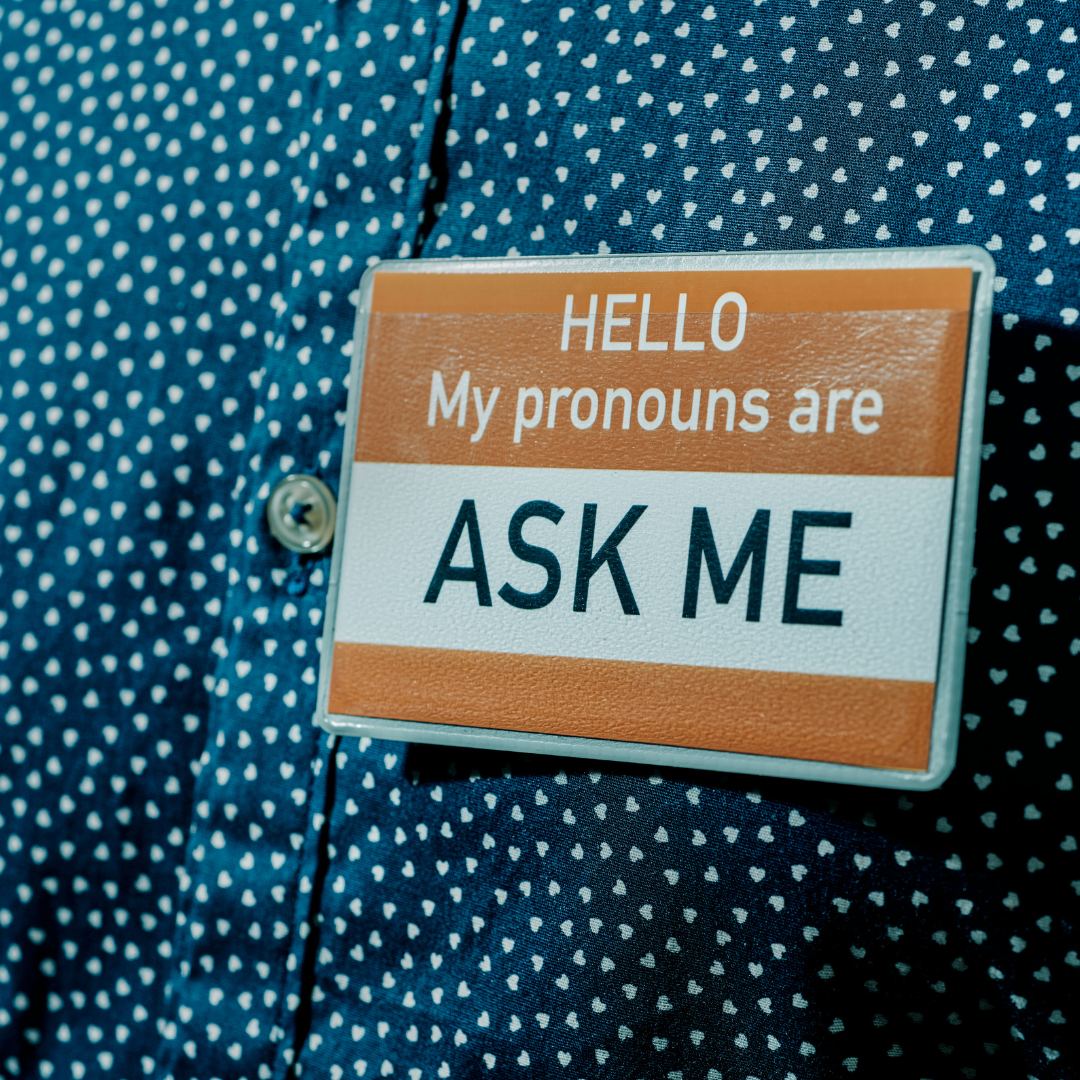
Misgendering, particularly when it continues after correction, communicates: my habits or my discomfort or my beliefs about gender are more important than how you need to be seen.

Chosen Family: The People Who Love You on Purpose
There is a difference between the people who are assigned to you and the people who choose you. Chosen family is one of the most important concepts in queer life, and it deserves more than a passing mention. It deserves real examination.

T4T Isn't a Trend—It's About Safety, Connection, and Being Seen
There is a particular kind of relief that comes from being with someone who already understands. Not someone you have to educate. For many transgender and nonbinary people, this is what T4T captures at its core.

Attraction Without Labels: The Rise of Heteroflexibility
You are not sure you are gay. You are not sure you are bisexual. But you are also no longer sure you are entirely straight. For many people, the word heteroflexible offers a place to land.

Queer Grief: Understanding a Type of Loss That Often Goes Unspoken
Queer grief is not a sign of weakness. It is often the emotional cost of living authentically in a world that still struggles to make space for queer lives.

Internalized Misogyny: The Conversation the Queer Community Avoids
If we want queer spaces to feel truly affirming, we have to talk about internalized misogyny honestly. Avoiding the conversation does not make it disappear.

Queer Grief and Pet Loss: Mourning the Ones Who Loved You Unconditionally
Experiencing pet loss as a queer person can mean grieving a source of unconditional love in a world that has not always felt safe.

Omnisexual Visibility Day: What It Means and Why It Matters
Omnisexual Visibility Day exists to make sure omnisexual people are seen, named, and respected within the LGBTQIA+ community. If you have been wondering what omnisexual visibility day is, or what it means to be omnisexual, this guide breaks it down clearly.

What Not to Say When Your Child Comes Out
If you are searching for what not to say when your child comes out, you likely want to avoid causing harm, even unintentionally. This guide breaks down common mistakes, why they can hurt, and what to say instead.

Consensual Non-Monogamy vs. Ethical Non-Monogamy: What’s the Difference?
Consensual non-monogamy centers consent. Ethical non-monogamy centers both consent and agreed-upon values or conduct. Understanding the nuance can help people choose language that reflects how they practice relationships.

What Is the Ace Spectrum? A Clear, Affirming Guide
What is the ace spectrum? In simple terms, the ace spectrum refers to a range of identities connected to asexuality, but there’s more to it.

Metamour Meaning: Unpacking the Dynamics of Polyamory
Polyamory comes with its own language, and one of the most common terms people search for is metamour meaning. A metamour is not your partner, but someone connected to you through a shared partner.

An Intro to BDSM: The Guide for Curious and Kink-Affirming Readers
Whether you are kink-curious, partnered with someone who is, or simply want to understand the language better, this intro to BDSM is meant to be informative, not overwhelming.

Gay Date Ideas for Queer Couples Who Want Something Different This Valentine's Day
Want Valentine's Day date ideas for gay men and queer couples that feel authentic and not like you're playing dress-up in someone else's romance? Good news: that's exactly what we're about to explore.